Like millions of others across this great nation, earlier this month I felt immense pride as I joined with fellow Americans to celebrate our country’s 250th birthday — an enduring testament to independence and the shared values that define and unite us all.
Indeed, this historic anniversary represents more than a single day in history; it signifies the freedoms and ideals our nation is founded on and those that we continue to defend, honor, and uphold. And on July 26, we will mark another important date in our nation’s history as we celebrate the 36th anniversary of the Americans with Disabilities Act (ADA), a day President George H.W. Bush called “another ‘Independence Day,’” just before signing it into law.
The ADA represents what makes America truly enduring: our founding principles of freedom and self-determination, which define our nation and propel us forward. We must continually strive to uphold these values and ensure they are never taken for granted. That commitment drives my vision as Assistant Secretary of Labor leading the Office of Disability Employment Policy (ODEP); at the Department of Labor, we remain dedicated to delivering on the promise of the ADA for fellow and future Americans with disabilities.
At the heart of the ADA is freedom. And for Americans, freedom is not just an abstract ideal — it’s lived every day through work. Work is fundamental to human dignity — it recognizes our unique, God-given talents, invites us to contribute, and allows us to build the lives we choose. Work strengthens families, enriches communities, and fuels the American Dream. That is the spirit of the ADA and the reason we celebrate it today.
President Trump’s economic policies are powering job growth across essential industries. At the Department of Labor, under the leadership of Acting Secretary of Labor Keith Sonderling, we’re ensuring that disabled Americans can train for and succeed in skilled, in-demand jobs and fully participate in the Golden Age of America. And we’re seeing tangible results: The current labor force participation rate for Americans with disabilities, in the 12 months ending June 2026, is at an all-time high since recording began in 2008.
Progress is showing up in other metrics too. More people opened ABLE accounts in the last six months than ever before, with average balances at about $13,000 and total assets now exceeding $3 billion. These tax-advantaged accounts let eligible Americans with disabilities save for qualified disability‑related expenses. In turn, ABLE accounts allow more people to work without jeopardizing key benefits, including some they need to remain independent. And recent updates raising age and contribution limits mean more people can now benefit from them, including millions of disabled veterans—our nation’s heroes. What’s more, for eligible youth, Trump Account savings can be moved directly into an ABLE account the year they turn 17, preserving critical benefits during their transition to work.
Work goes hand in hand with earning and saving, but its value extends beyond the quantifiable. It’s about dignity. It’s about purpose. It’s about sharing our time and unique talents with others and contributing to our communities and families. Work empowers us to set and achieve our own goals and build the life we want. That’s the essence of the American Dream. That’s freedom, and what the ADA serves to uphold and expand, for all American workers.
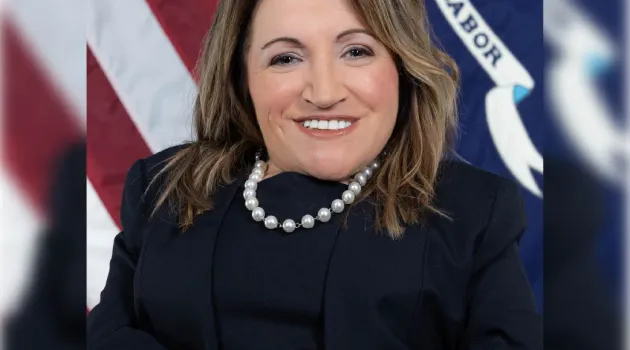
Julie Hocker is the assistant secretary of labor for disability employment policy. Follow the Office of Disability Employment Policy on LinkedIn.