


The Employee Benefits Security Administration (EBSA) protects the retirement, health, and other workplace benefits of America's workers and their families. It does this in three main ways: writing clear rules, helping and educating workers and employers, and enforcing the law when needed.
EBSA oversees benefit plans covering more than 155 million workers, retirees, and family members. That includes over 837,000 retirement plans, 2.8 million health plans, and 521,000 other benefit plans — together worth about $15 trillion. EBSA also works directly with employers and benefits professionals to help them stay compliant and support their employees.
A Brief History
EBSA's authority comes from the Employee Retirement Income Security Act (ERISA). Congress passed ERISA in 1974 after growing alarm that private pension funds were being mismanaged or misused — people were losing retirement savings they'd counted on. ERISA was the result of years of debate over how employee benefits should be regulated and taxed.
The law has four main parts, or "titles." EBSA specifically handles Title I — the rules requiring plans to be run responsibly, to report their finances, and to disclose information to workers. Other federal agencies handle Titles II, III, and IV.
Since 1974, ERISA has been updated many times to keep pace with how retirement and health benefits have changed. EBSA's job has grown right along with it. It's a story of growth and change — but the mission has stayed constant: protecting the job-based benefits of the millions of people who depend on us today.
The early years
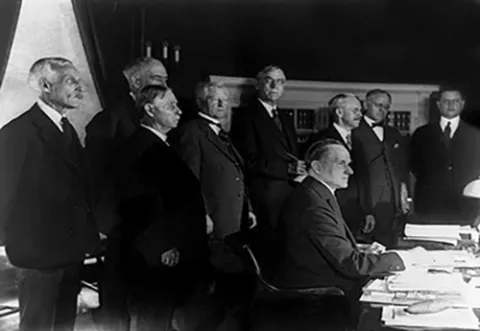
1920s
The Revenue Acts of 1921 and 1926 allow employers tax deductions for pension contributions, encouraging the growth of employer-sponsored pension plans.
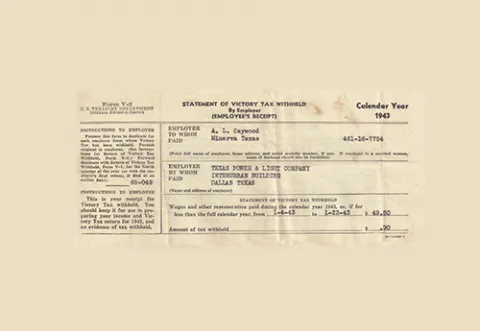
1942
The Revenue Act of 1942 introduces stricter participation and disclosure requirements, marking a pivotal step toward greater oversight of pension plans.
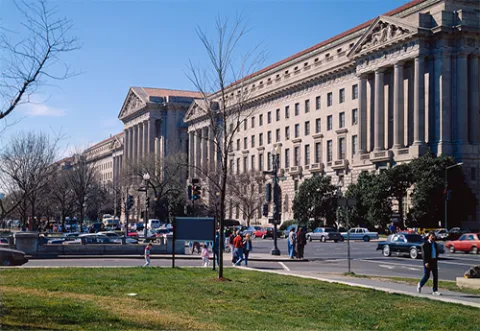
1958
The Welfare and Pension Plans Disclosure Act (WPPDA) requires employers to disclose details about the pension plans they provide their employees, giving the Department of Labor a role in overseeing these benefits.
The '60s and '70s

1961
President John F. Kennedy launches the Committee on Corporate Pension Funds to explore, among other issues, how pension plans can better support workforce productivity and mobility.
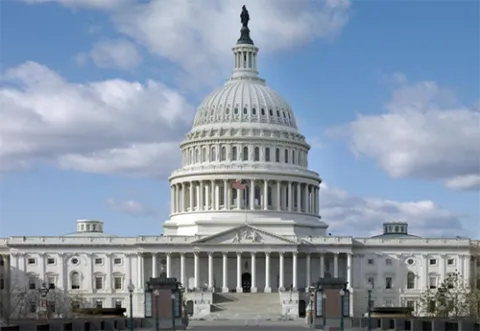
1962
Congress amends the WPPDA, giving the Department of Labor enforcement power to prevent mismanagement and abuse of employee benefit plan funds.

1963
The Studebaker automobile plant in South Bend, Indiana closes. Thousands of workers are left without their pensions, driving a movement that demands new legislation to protect America's workers.

1967
Sen. Jacob K. Javits (R-NY), who many consider the grandfather of ERISA, introduces legislation to reform pension laws.

1972
NBC airs "Pensions: The Broken Promise," a documentary that exposed abuses in the pension system and drew national attention to the issue.
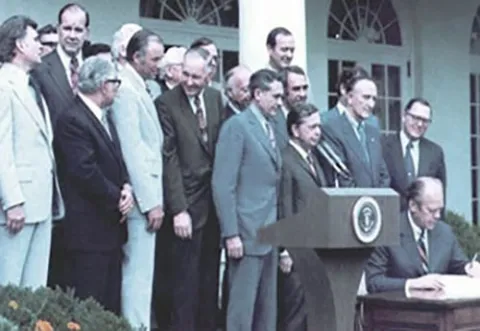
1974
President Gerald Ford signs ERISA into law, setting the minimum standards for job-based retirement, health, and other welfare benefits.
EBSA (then known as the Pension and Welfare Benefits Program), becomes responsible for administering, regulating, and enforcing ERISA's Title I provisions.
The '80s and '90s

1984
The Retirement Equity Act amends ERISA to address inequality in pension benefits by ensuring fair distribution and greater financial security for women in retirement.
1986
In January, the agency was upgraded from a program to a sub-cabinet position with Assistant Secretary and Deputy Assistant Secretary positions.

1986
President Ronald Reagan signs the Consolidated Omnibus Budget Reconciliation Act (COBRA), guaranteeing that workers who lose their jobs can retain their health coverage for a limited time.
Learn more about COBRA continuation coverage.

1989
The Omnibus Budget Reconciliation Act of 1989 amends ERISA to mandate civil penalties for certain violations by fiduciaries.

1996
ERISA is amended by the Health Insurance Portability and Accountability Act (HIPAA), the Newborns' and Mothers' Health Protection Act (NMHPA), and the Mental Health Parity Act (MHPA) to ensure more comprehensive health benefits for workers.

1998
The Women's Health and Cancer Rights Act (WHCRA) mandates coverage for breast reconstruction surgery after a mastectomy.
The early 2000s
2003
The agency — known as the Pension and Welfare Benefits Administration (PWBA) — gets a name change.
In February 2003, the agency officially became the Employee Benefits Security Administration.
Learn more about EBSA and the work we do today.
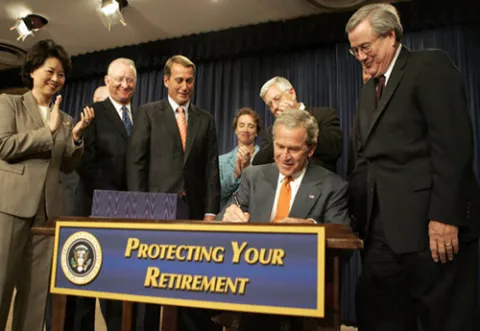
2006
President George W. Bush signs the Pension Protection Act to reform funding rules for employer-sponsored and other job-based employee benefit plans, better protect automatic enrollment, and improve participants' access to investment advice.

2008
The Mental Health Parity and Addiction Equity Act (MHPAEA) expands on MHPA to prevent health plans from imposing barriers on access to mental health and substance use disorder benefits that don't apply to medical and surgical benefits.
Read more about how MHPAEA continues to protect you.
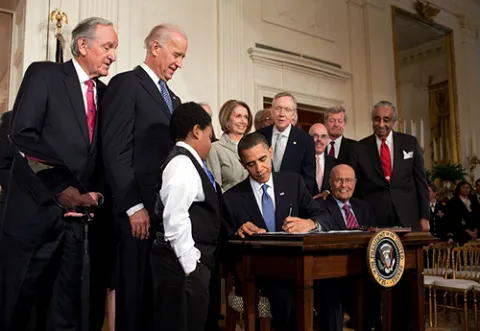
2010
President Barack Obama signs the Patient Protection and Affordable Care Act (ACA) into law, improving the health of all Americans, providing for health coverage without limits, establishing protections for people with preexisting conditions, mandating coverage for preventive health care, and enhancing the claims and appeals processes for benefit claims.

2013
Alan Lebowitz, the first Deputy Assistant Secretary of EBSA and its preceding agencies, retires. He spent nearly three decades of his career crafting and shaping the agency's programs, leaving a lasting influence on nearly evert part of EBSA.

2019
The Setting Every Community Up for Retirement Enhancement (SECURE) Act made major changes to retirement plans in 2019. This law's provisions touched on "safe harbor" plans for small businesses, part-time workers' participation in retirement plans, and the age at which to take required distributions.
2020 and beyond

2020
The Families First Coronavirus Response Act and Coronavirus Aid, Relief, and Economic Security (CARES) Act require health plans and issuers to cover COVID-19 testing and related services without cost-sharing, expanding access to care during the COVID-19 pandemic.

2021
The No Surprises Act (NSA) protects patients from unexpected medical bills, establishes a process for resolving patient disputes between health plans and issuers and providers, and brings new transparency provisions so that participants can have more information about their health coverage.
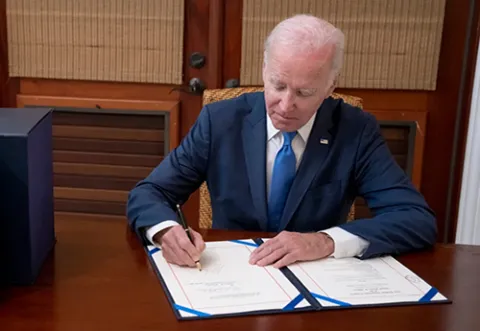
2022
President Joseph R. Biden signs the SECURE 2.0 Act to improve workers' and families' ability to save for their future. The law brought about automatic enrollment requirements, allowed for pension-linked emergency savings accounts, changed catch-up contribution amounts, and expanded exceptions for early distributions. The law also includes the WORK Act, which led EBSA to launch the Employee Ownership Initiative the following year.
2024
EBSA celebrates 50 years since the passage of ERISA launched a new era of financial security for America's workers, providing critical protections that have safeguarded their retirement, health, and other job-based benefits.