



Supporting Transformative Change in Competitive Integrated Employment (CIE) Opportunities for People with Disabilities
These webpages provide resources to support steps to increase the participation of people with disabilities in CIE. Whether you’re an individual with a disability or family member, employment service provider, state agency or employer our CIE Transformation Hub has practical resources for you.
Featured Resources

People with Disabilities and Families

Employment Service Providers

State Agencies

Employers

CIE Featured Resources

Welcome to the Transformation Hub’s Featured Resources page, where you can find key items for all audiences to assist in advancing CIE for people with disabilities. If you don’t find what you’re looking for, be sure to check out our pages for individuals and family members, service providers, state agencies and employers.
Stories of Successful Transition to CIE – This Employment First Community of Practice (CoP) webinar features five individuals who formerly worked in segregated subminimum wage work and now work in CIE who explain in their own voices their experiences in both work environments.
State Efforts to Phase Out Subminimum Wages – This Employment First CoP webinar features the states of Tennessee, Virginia and Washington explaining how and why they phased out subminimum wages for people with disabilities.
Disability-Related Resources – This U.S. Equal Employment Opportunity Commission (EEOC) landing page provides links to many of its technical assistance publications and guidance and Americans with Disabilities Act (ADA) materials explaining core concepts, such as reasonable accommodation, and recent disability case filings and resolutions.
CIE Resources for People with Disabilities and Their Families
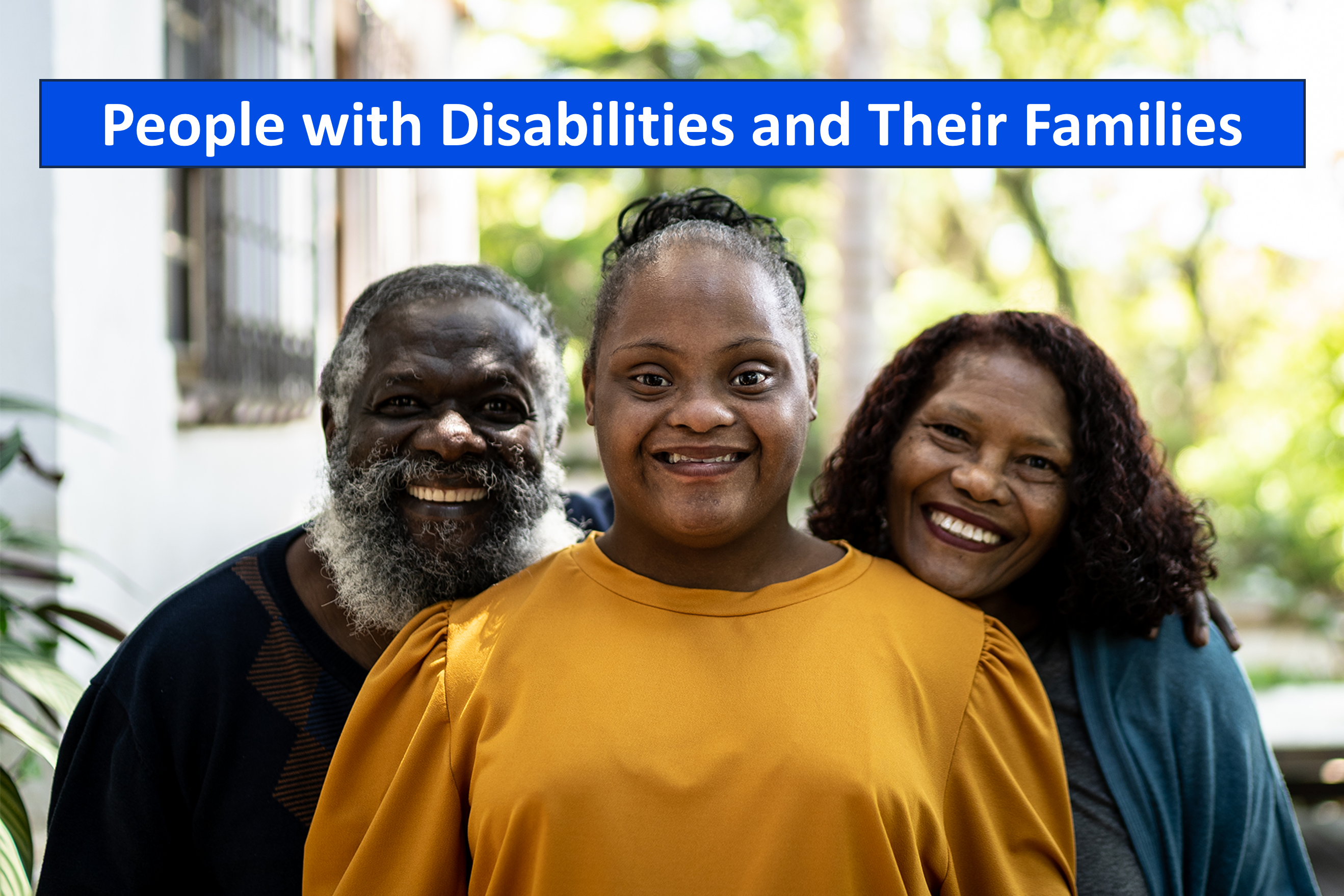
Welcome to the Competitive Integrated Employment (CIE) Transformation Hub page for people with disabilities and their families. Empowering people with disabilities to make decisions, plan for and receive appropriate workforce supports is key to their success in CIE. Having encouragement and support from their families also increases the likelihood they will transition successfully and achieve positive post-school outcomes in CIE as adults. This page includes resources on a range of topics related to CIE intended for disabled people and their families.
This section provides resources related to transition and employment for youth with disabilities and their families. It includes resources that offer support and information on topics such as job training, discrimination prevention, postsecondary education and independent living goals. It also includes links to centers that provide independent living services for people with disabilities and parent centers that offer technical assistance for families of children with disabilities.
Research Findings Videos for Persons with IDD and Their Families – These videos from Virginia Commonwealth University’s Rehabilitation Research and Training Center on Employment of Persons with Intellectual and Developmental Disabilities address how to get and keep a job, how to set your child up for employment success and why CIE may be the right choice.
American Job Center (AJC) Locator – Nearly 2,300 AJCs nationwide help people search for jobs, find training and answer other employment-related questions. This resource sponsored by the U.S. Department of Labor will help you find your local AJC.
Youth@Work – Youth@Work is the U.S. Equal Employment Opportunity Commission’s (EEOC) website for youth in the workforce. It is designed to teach youth about some of their rights and responsibilities as employees, including different types of discrimination affecting young workers and what they can do to help prevent discrimination in the workplace.
A Transition Guide to Postsecondary Education and Employment for Students and Youth with Disabilities – This guide from the Office of Special Education and Rehabilitative Services discusses a range of topics relevant to students with disabilities and their families as they plan for life after school. It includes transition planning, transition services and requirements, options after leaving school and supporting student-made decisions.
Platform for Individuals with Cognitive Disabilities Through Team Collaboration and Employment Discovery – Developed in part under a grant from the National Institute on Disability, Independent Living and Rehabilitation Research, Cognitopia offers a comprehensive platform supporting employment and independent living goals of people with cognitive disabilities.
"Let’s Work" Watch Party: A Documentary with the California Transition Alliance – This documentary from the National Technical Assistance Center on Transition: The Collaborative describes the importance of supporting CIE opportunities for students and youth with disabilities, including those with IDD.
Seeking Supported Employment: What You Need to Know – This workbook is designed to help people learn what supported employment is, decide whether they would like to receive services from a supported employment program and guide them through a process to identify an effective program. It was developed by the Center on Integrated Health Care and Self-Directed Recovery at the University of Illinois at Chicago.
Directory of Centers for Independent Living (CILs) – Designed and operated by individuals with disabilities, CILs provide independent living services for people with disabilities. This resource, maintained by the Independent Living Research Utilization program, will help you find a CIL near you.
EEOC Disability-Related Resources – This website includes an overview of the disability laws that the EEOC enforces, as well as publications, disability news and information on how the EEOC can help with disability employment.
Center for Parent Information and Resources (CPIR) – CPIR provides technical assistance via a central “hub” of information and family-friendly products created for the network of parent centers serving families of children with disabilities.
Local Parent Center Finder – Located across the U.S., parent training and information centers (PTIs) and community parent resource centers (CPRCs) work with families of youth with disabilities, from birth to age 26. PTIs and CPRCs help parents participate effectively in their children’s education and development.
This section provides resources for individuals with mental health conditions seeking employment opportunities. These resources include fact sheets, podcasts and employment service models designed to provide support and assistance.
Workforce Innovation and Opportunity Act (WIOA): New Law Helps Youth & Young Adults Get Jobs – What Families Need to Know – This fact sheet from Transitions ACR at UMass Chan Medical School reviews key eligibility criteria and services provided under WIOA, with a focus on supports for youth and young adults with psychiatric disabilities.
Quick Guide to Disability Employment Policy – This resource from the Center on Integrated Health Care and Self-Directed Recovery at University of Illinois at Chicago (UIC) includes fact sheets, resource guides and podcasts related to employment for persons with serious mental health conditions.
Peer Supporters as Individual Placement and Support (IPS) Employment Specialists – This site includes resources for peer supporters as IPS employment specialists, who deliver standard supported employment services while also contributing their unique perspective of living and working with a mental health condition. It was developed by the Center on Integrated Health Care and Self-Directed Recovery at UIC.
Transitions to Adulthood Center for Research (Transitions ACR) – This center, managed by UMass Chan Medical School, allows individuals, families, state agencies, providers and employers to request technical assistance and find links to employment service models, employment resources, publications and blogs.
RRTC on Improving Employment Outcomes for Individuals with Psychiatric Disabilities Employment Repository – This center provides resources to assist individuals with mental health conditions and people in recovery as they consider preparing for and obtaining employment. It also includes resources for families who want to support family members on the road to employment. It is maintained by Boston University’s Center for Psychiatric Rehabilitation.
This section provides videos for veterans seeking employment that explain the benefits of customized employment from the veteran's point of view.
Customized Employment Works for Veterans: A Win-Win Strategy – This video produced by the ODEP-funded Veterans Returning to Integrated Competitive Employment (Veterans RICE) initiative illustrates the benefits of customized employment from the viewpoint of the veteran, service provider and employer.
Customized Employment Works for Veterans: A Job that I Love – This video produced by the ODEP-funded Veterans RICE initiative describes the importance of discovery in the customized employment process and the positive impacts a customized job can have for veterans.
This section provides various resources and programs that help individuals with disabilities manage their finances and receive benefits while working. It includes fact sheets, guides and information on the Social Security Administration Red Book, the Ticket to Work program, Work Incentives Planning and Assistance programs and Medicaid "buy-in."
Yes, Youth Can Work and Still Receive Supplemental Security Income (SSI) – These fact sheets were developed by the National Research and Training Center on Blindness and Low Vision for youth with vision impairments who receive SSI benefits and their families. The fact sheets provide general information about several SSI work incentives, examples of calculations and links to more detailed information.
Social Security Administration (SSA) Red Book – This SSA general reference guide covers the employment-related provisions of the Social Security Disability Insurance (SSDI) and SSI programs, including work incentives designed to protect beneficiary monthly benefits and medical coverage while working.
Ticket to Work (TTW) Program – TTW provides free employment support services to individuals ages 18–64 receiving SSDI or SSI.
Find Help to Achieve Your TTW Goals – TTW service providers offer employment-seeking disability beneficiaries (persons who receive SSI or SSDI), ages 18–64, free job supports including job coaching, job counseling, training, job placement and benefits counseling. The tools on this page can assist you in locating a service provider to help you find the employment supports you need.
Work Incentives Planning and Assistance (WIPA) Programs – The SSA’s WIPA programs serve people who are already working or about to start work. They help beneficiaries by providing information about the availability of work supports. WIPA also provides accurate and individualized information about how work will affect benefits and health insurance.
SSA Youth Resources – This webpage includes several SSA resources designed to deliver important information to youth and young adults with disabilities to help them achieve their educational, career and life goals.
Protection and Advocacy for Beneficiaries of Social Security (PABSS) – The PABSS program assists SSDI and SSI beneficiaries with disabilities who wish to work by helping remove barriers to employment. PABSS services include but are not limited to protecting beneficiary rights regarding conditions of employment, access to transportation and access to housing.
Medicaid “Buy-in” Q&A – Medicaid “buy-in” allows workers with disabilities access to Medicaid community-based services not available through other insurers. This guide answers common questions on Medicaid buy-in programs that allow workers with disabilities with income above traditional limits to access Medicaid community-based services. This guide is produced by the U.S. Department of Health and Human Services Administration for Community Living and ODEP.
Secure Your Financial Future Toolkit – This toolkit, developed by ODEP and the Employee Benefits Security Administration, guides people, including people with disabilities, to strive for or maintain employment and achieve financial stability regardless of where they are on their employment journey.
This section provides information and resources related to job accommodations for individuals with disabilities. It includes links to the Job Accommodation Network, which provides expert guidance on job accommodations, as well as to resources from the U.S. Equal Employment Opportunity Commission and the U.S. Department of Labor's Office of Federal Contract Compliance Programs on reasonable accommodation topics and the rights of employees and applicants with disabilities.
Job Accommodation Network (JAN) – Funded by ODEP, JAN is the leading source for free, expert and confidential guidance on job accommodations and disability employment issues.
Reasonable Accommodation Resources – This landing page from the U.S. Equal Employment Opportunity Commission (EEOC) pulls together many EEOC disability-related resources focused on key reasonable accommodation topics.
CIE Resources for Employment Service Providers
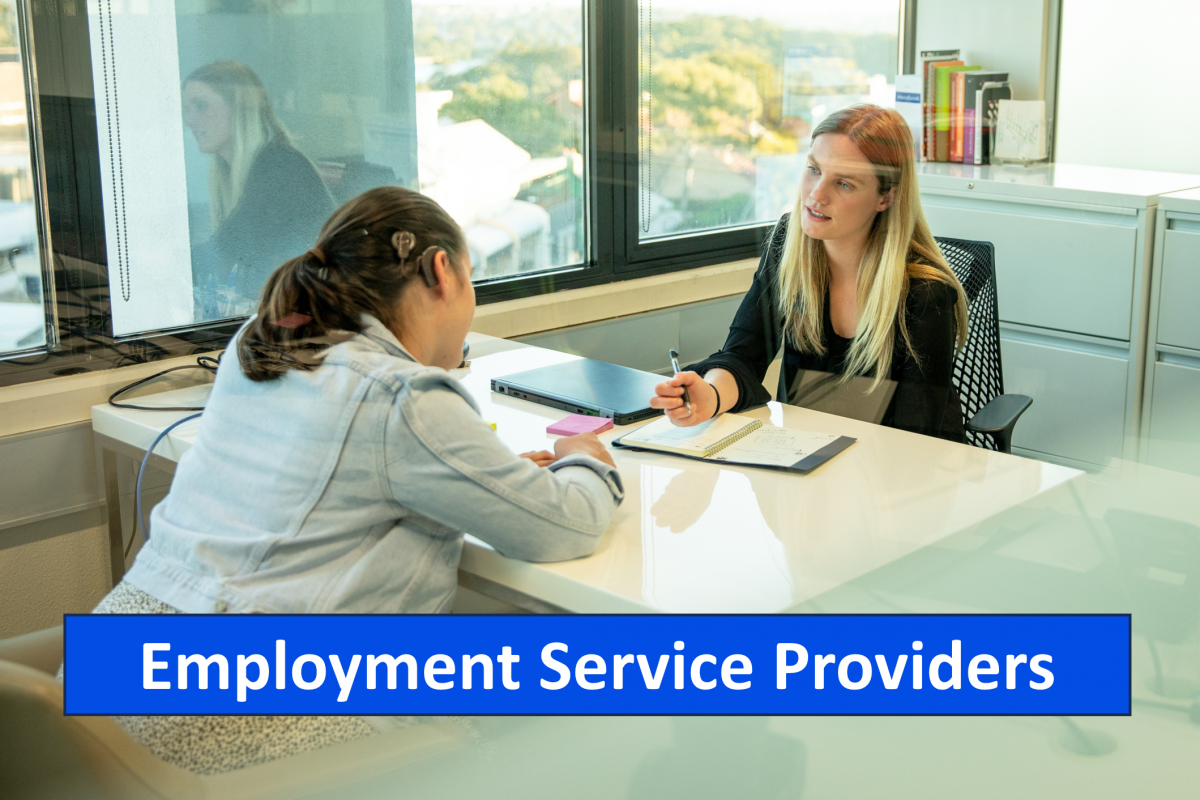
Welcome to the Competitive Integrated Employment (CIE) Transformation Hub page for employment service providers. Historically, many service providers offered segregated employment services. Today they are transforming into agencies that develop jobs and support disabled people in CIE. This page includes resources on a range of topics related to CIE in the context of youth and employment service provision.
This section contains various resources and tools for provider organizations interested in transforming their service delivery models to have an Employment First approach and increase competitive integrated employment (CIE) opportunities for individuals with disabilities.
Turning the Queen Mary: Service Transformation in a Large Agency – This Employment First CoP webinar, presented by Sarah Murphey and Kurt Smith, explains the complexities that service providers experience while transforming into a person-centered, community-based service model.
Rehabilitation Research and Training Center on Advancing Employment – This center conducts research, training and outreach activities that promote employment for individuals with intellectual and developmental disabilities. Areas of focus include:
Choosing work: effective knowledge translation and support for individuals and families;
Increasing the effectiveness of employment consultants;
Building capacity and supporting organizational transformation for community rehabilitation providers; and
Policies and practices of high-performing state employment systems.
This section describes various resources and tools aimed at supporting case managers and employment consultants who work with individuals with intellectual and developmental disabilities (IDD) seeking employment. The resources include a four-module online course, a smartphone-based tool to improve employment support practices and a webinar that discusses effective staff recruitment and development to promote competitive integrated employment (CIE).
Staffing to Provide CIE – This Employment First Community of Practice webinar, presented by Employment First subject matter expert Rick McAllister, discusses the recruitment, development and retention of staff who will effectively promote CIE.
This section offers resources related to community engagement, including an interagency brief that outlines a federal vision for community engagement for individuals with disabilities and a toolkit from the Institute for Community Inclusion at the University of Massachusetts (UMass) Boston that helps service providers improve their support for community engagement.
A Framework for Community Engagement – A Pathway to CIE – This interagency brief presents a joint federal vision for community engagement that enables people with disabilities to expand their skills, experiences and relationships so that they may secure high-quality and personally satisfying jobs and careers along with the benefits of employment.
Community Life Engagement Toolkit – This toolkit from the Institute for Community Inclusion at the UMass Boston helps service providers develop and improve high-quality supports for meaningful community life engagement, meet the goals of the Home and Community Based Services Settings Rule and support individual employment goals.
This section provides information about various resources and initiatives related to employment strategies for individuals with disabilities. It includes resources such as facilitator manuals, slide decks, participant workbooks, fact sheets, briefs, articles, plain-language summaries, guides and reports. These resources are aimed at helping job seekers identify good-fit employment options for themselves and employers.
Supported Employment Resource Hub – This hub from Virginia Commonwealth University Rehabilitation Research and Training Center provides a number of supported employment resources, including fact sheets and briefs, articles, plain-language summaries, guides, strategies and reports.
Progressive Employment (PE) Models – This field-initiated project from Explore VR is researching the dual-customer PE model for individuals with the most significant disabilities served by state vocational rehabilitation (VR) agencies and community rehabilitation providers. Resources include fact sheets, recorded webinars and introductory materials.
Online Learning @ ICI – These online trainings from the Massachusetts Boston include a variety of interactive and customizable self-guided courses for employment service providers, VR leadership, transition specialists, school administrators and other disability services professionals.
This section provides resources that help individuals with disabilities and their families access programs to promote the transition to adulthood, education and employment. These initiatives include FEAT, the PROGRESS Center, the Engaging Young Adults in Work and School online course and the CCE grant. These programs offer resources, tools and technical assistance services to support local educators, leaders and individuals with disabilities who wish to access competitive integrated employment (CIE) and high-quality educational programming.
Family Employment Awareness Training (FEAT) – FEAT, a project of the University of Kansas Beach Center on Disability, is currently available in five states: Kansas, Indiana, Nebraska, Oklahoma and Rhode Island. It introduces individuals with disabilities, their family members and the professionals who serve them to resources to raise their expectations for CIE and increase their knowledge of federal and state employment resources.
Engaging Young Adults in Work and School – This online course provides key information and resources related to the importance of engaging young adults in work and school endeavors, strategies for doing this important work and an inside look into programs that support the transition to adulthood. It was developed as part of the Helping Youth on the Path to Employment project funded by the National Institute on Disability, Independent Living and Rehabilitation Research.
This section provides resources about training programs and evaluation projects that aim to support youth and young adults with serious mental health conditions in their transition to employment or postsecondary education.
Promoting Young Adult Success in School and Work – This training program, free to providers, offers information and resources to people interested in supporting youth and young adults with serious mental health conditions in their transition to employment or postsecondary education. It was developed by the Learning and Working Rehabilitation Research and Training Center at UMass Chan Medical School.
Effects of Self-Directed Career Accounts on Vocational Outcomes of Supported Employment Recipients – This evaluation project examines the impact of a Career Account—a self-directed approach to vocational service delivery—on the employment success of individuals receiving evidence-based practices in supported employment services using the Individual Placement and Support model. It was developed by the Center on Integrated Health Care and Self-Directed Recovery at the University of Illinois at Chicago.
Boston University’s Center for Psychiatric Rehabilitation – This center and its partners work to develop new knowledge and interventions to help programs and providers develop, implement and deliver services that positively impact the lives of people with severe mental health conditions.
CIE Resources for State Agencies

Welcome to the Competitive Integrated Employment (CIE) Transformation Hub page for state agencies. State agencies play a major role in supporting transformation of CIE by setting policies and aligning funding to encourage providers to focus on providing CIE for people with disabilities. This page includes resources on a range of topics related to CIE from a state government perspective, organized by policy area and agency type.
State agencies play a key role in developing and implementing policy that will increase competitive integrated employment (CIE) for people with disabilities. This section includes resources, such as a national plan, a joint communication and webinars, showcasing the role state agencies play in policy development.
Research Supporting CIE – This brief from the Administration for Community Living shows how working in the community, alongside people with and without disabilities, at competitive wages, offers a direct pathway to greater independence and self-sufficiency for people with disabilities.
Promoting CIE Through Memorandums of Understanding (MOUs) and Other Interagency and Interdepartmental Agreements – This guide developed for ODEP provides a step-by-step process that walks agencies through MOU development by illustrating who should be at the table, key areas to include in an MOU, strategies for completing MOUs and tips for implementing an MOU effectively.
Analysis of Wage and Total Compensation Gaps by Disability Measure – This study, developed by the Employer Practices Rehabilitation Research and Training Center, which examines employer practices that affect employment outcomes among individuals with disabilities, explores the pay gaps between workers with disabilities and their nondisabled peers.
The State Exchange on Employment & Disability (SEED) – Funded by ODEP, SEED is a unique state-federal collaboration that supports state and local governments in adopting and implementing inclusive policies and best practices that lead to increased employment opportunities for disabled people and a stronger, more inclusive American workforce and economy.
Agencies that serve individuals with intellectual and developmental disabilities (IDD) can increase competitive integrated employment (CIE) by providing services that help individuals with IDD determine which activities they might like to do for pay through community experiences. Home and community-based services (HCBS) can play a key role in funding these services.
Home & Community-Based Services Settings Rule – These regulations help ensure that people who receive services and supports through Medicaid’s HCBS programs have full access to the benefits of community living and can receive services in the most integrated setting.
Persons with Intellectual Disabilities in the Workplace and the ADA – This U.S. Equal Employment Opportunity Commission document addresses how the Americans with Disabilities Act (ADA) applies to job applicants and employees with intellectual disabilities in the workplace, including issues of reasonable accommodations, safety and harassment.
Partnerships in Integrated Employment System Change Grants – These grants prioritize CIE as the first and preferred option for youth and young adults with IDD by enhancing collaboration across existing state systems, including programs administered by state developmental disabilities agencies, vocational rehabilitation agencies, educational agencies and other entities.
State Mental Health Agencies provide vital services for people with mental health conditions. In this section, learn about ODEP’s Advancing State Policy Integration for Recovery and Employment (ASPIRE), Individual Placement and Support (IPS) and employment services for people with mental health conditions.
Advancing State Policy Integration for Recovery and Employment (ASPIRE) – The ODEP-funded ASPIRE initiative provides selected states tailored and targeted technical assistance to integrate state policy, program and funding infrastructures to expand evidence-based employment services for people with a disability resulting from mental health conditions.
Peer Supporters as Individual Placement and Support (IPS) Employment Specialists – This site includes resources for peer supporters as IPS employment specialists, who deliver standard supported employment services while also contributing their unique perspective of living and working with a mental health condition. It was developed by the Center on Integrated Health Care and Self-Directed Recovery at the University of Illinois at Chicago (UIC).
Quick Guide to Disability Employment Policy – This resource from the Center on Integrated Health Care and Self-Directed Recovery at UIC includes factsheets, info graphics, resource guides and podcasts related to employment for persons with serious mental health conditions.
Mental Health Conditions: Resources for Job Seekers, Employees and Employers – This U.S. Equal Employment Opportunity Commission resource page provides background information about mental health issues in employment and links to several EEOC technical assistance materials addressing mental health employment-related topics.
Transforming Lives through Supported Employment – This Substance Abuse and Mental Health Services Administration grant program supports state and community efforts to refine, implement and sustain evidence-based supported employment programs and complementing evidence-based practices for adults with serious mental illness or co-occurring mental and substance use disorders.
Employment Repository of Specific Resources for Providers and Administrators – This webpage from Boston University’s Center for Psychiatric Rehabilitation includes employment interventions, models, approaches and other information specific to serving individuals with psychiatric disabilities and/or behavioral health conditions.
Effects of Self-Directed Career Accounts on Vocational Outcomes of Supported Employment Recipients – This evaluation project examines the impact of a Career Account—a self-directed approach to vocational service delivery—on the employment success of individuals receiving evidence-based practice supported employment services using the IPS model. It was conducted by the Center on Integrated Health Care and Self-Directed Recovery at UIC.
This section provides resources for youth who will be exiting high school and looking to transition to college or employment. Resources include a video, an FAQ and technical assistance centers.
Section 511 of the Rehabilitation Act – Limitations on Use of Subminimum Wage – These FAQs, developed jointly by RSA and the U.S. Department of Labor's Wage and Hour Division, provide information to employers, agencies and individuals concerning limitations on the payment of a subminimum wage to disabled workers.
Why Choose CIE? – This video from Virginia Commonwealth University’s (VCU) Rehabilitation Research and Transition Center on Intellectual and Developmental Disabilities explains why choosing CIE can be the best option for people with disabilities.
The Need for an Eligibility/Ineligibility Determination for Vocational Rehabilitation (VR) Services for Youth Considering Subminimum Wage Employment Under Section 511 – These Frequently-asked questions (FAQs) from the Rehabilitation Services Administration (RSA) address the application and eligibility determination processes under Section 102(a) of the Rehabilitation Act that a youth with a disability must satisfy if and when they choose to pursue subminimum wage work.
Collaboration Opportunities: Workforce Innovation and Opportunity Act (WIOA) Youth and VR Programs – This resource from Workforce GPS provides a high-level overview of the WIOA Youth and VR programs and helps improve coordination of workforce preparation activities and employment services between them to serve youth with disabilities more effectively.
National Technical Assistance Center on Transition: The Collaborative (NTACT:C) – NTACT:C assists state education and VR agencies as they support local education agencies and VR service providers to implement effective practices and strategies so that students and youth with disabilities experience improved employment outcomes.
Helping Youth on the Path to Employment (HYPE) – HYPE is a manual-based intervention to support transition-aged youth with mental health conditions to develop their careers. HYPE is based on the values and practices of the IPS approach to supported employment as well as supported education. It is a project of the University of Massachusetts Chan Medical School.
Youth@Work – Youth@Work is the U.S. Equal Employment Opportunity Commission’s (EEOC) website for youth in the workforce. It is designed to teach youth about some of their rights and responsibilities as employees, including different types of discrimination affecting young workers and what they can do to help prevent discrimination in the workplace.
Vocational Rehabilitation provides support to job seekers with disabilities who may need assistance finding a job or accessing accommodations to become employed or maintain employment. Resources in this section include: FAQs, grants and guides.
Criterion for an Integrated Employment Location in the Definition of CIE and Participant Choice – These frequently asked questions from the Rehabilitation Services Administration (RSA) provide guidance and technical assistance to VR agencies and community rehabilitation programs so they may assist individuals with disabilities to exercise informed choice and achieve high-quality employment.
2022 Disability Innovation Fund Grants – Subminimum Wage to CIE Demonstration Projects – These five-year grants awarded to 14 state VR agencies are working to decrease the use of subminimum wages and increase access to CIE for people with disabilities.
Preparing Students for CIE – This quick guide, from the National Technical Assistance Center on Transition: the Collaborative, defines and discusses the importance of CIE, how research supports its effectiveness and provides a number of valuable resources to prepare youth for CIE. It also provides CIE implementation ideas for education administrators, education practitioners and VR counselors.
Frequently Asked Questions (FAQs) About Supported Employment – These FAQs from RSA provide general guidance and technical assistance to VR agencies and community rehabilitation programs so that they may assist individuals with the most significant disabilities to achieve high-quality supported employment.
Working with Businesses to Improve Employment Outcomes for Consumers who are Blind or Visually Impaired – This evidence-based practice guide from the National Research and Training Center on Blindness and Low Vision presents key research findings from a five-year research project and recommendations for agencies and counselors about working with businesses.
Resources and Strategies for Competitive Integrated Employment – This webpage from the VR Technical Assistance Center for Quality Management provides a range of resources and strategies on CIE.
State Supported Employment Services Grant Program – This RSA program provides grants to assist states in developing and implementing collaborative programs to provide supported employment services for individuals with the most significant disabilities, including youth.
Supported and Customized Employment: Side by Side Referral Decision Guide – This decision guide can help VR agencies offering both supported and customized employment approaches in determining which approach is best based on an individual’s circumstances. It was produced by the Virginia Commonwealth University’s Rehabilitation Research and Training Center.
Vocational Rehabilitation Return on Investment Project (VR-ROI) – Funded through three grants from the National Institute for Independent Living and Rehabilitation Research, the current VR-ROI project addresses the call for VR agencies to invest time and energy to understand the factors that predict sustained employment outcomes.
In this section you will find resources such as the Ticket to Work Program, Employment Networks and Work Incentive Planning and Assistance centers.
Training and Employment Notice (TEN) – New Administrative Processes for Public Workforce Employment Networks (ENs) under the Ticket to Work (TTW) Program – This TEN notifies the workforce system about the Social Security Administration's (SSA) TTW program's changes to administrative processes for public workforce ENs. Under SSA TTW regulations, State Workforce Agencies, State Workforce Development Boards, Local Workforce Development Boards and American Job Centers (AJCs) are all deemed automatically qualified as ENs.
American Dream Employment Network (ADEN) – ADEN is a solution oriented administrative EN model that provides technical assistance and training to employment service providers to assist them with providing high quality employment services to SSA disability beneficiaries through the TTW program.
Work Incentives Planning and Assistance (WIPA) National Training and Data Center – This center, from Virginia Commonwealth University, provides comprehensive training and technical assistance to WIPA projects, the TTW Help Line and community partners to ensure accurate and timely support for beneficiaries on the road to employment and financial independence.
Several federally funded technical assistance centers provide resources to individuals with disabilities, state agencies and others who support people with disabilities. These TA Centers include a WIOA policy development center, transition to adulthood center and a disability employment TA center.
Workforce Innovation and Opportunity Act (WIOA) Policy Development Center – The ODEP funded National Center on Leadership for the Employment and Economic Advancement of People with Disabilities (LEAD Center) delivers policy research and recommendations, technical assistance and demonstration projects to promote inclusion and equity and facilitate the adoption and integration of inclusive WIOA programs, policies and practices.
Disability-Related Resources – This U.S. Equal Employment Opportunity Commission (EEOC) landing page provides links to many of its technical assistance publications and guidance and Americans with Disabilities Act (ADA) materials explaining core concepts, such as reasonable accommodation, and recent disability case filings and resolutions.
Transitions to Adulthood Center for Research (Transitions ACR) – This center, managed by the UMass Chan Medical School, allows individuals, families, state agencies, providers and employers to request technical assistance and find links to employment service models, employment resources, publications, a podcast and blogs.
Disability Employment TA Center – This center provides evidence-based technical assistance to Administration on Disabilities grantees aimed at improving CIE and economic outcomes for individuals with disabilities.
Boston University’s Center for Psychiatric Rehabilitation – This center along with its partners works to develop new knowledge and interventions to help programs and providers develop, implement and deliver services that positively impact the lives of people with severe mental health conditions.
CIE Resources for Employers

Welcome to the Competitive Integrated Employment (CIE) Transformation Hub page for employers. To support people with disabilities in CIE, employers should have awareness about job accommodations. Employers should also understand the contributions people with significant disabilities can make in their workplaces. Information about these topics can be found here, along with information about employing people with disabilities or mental health conditions, including veterans, and resources specifically for federal agencies and federal contractors.
These resources cover a variety of topics related to reasonable accommodations, small businesses, job coaching and creating supportive workplaces. These resources can be useful for employers and individuals with disabilities seeking to understand their rights and responsibilities under the Americans with Disabilities Act (ADA).
Job Accommodation Network (JAN) – Funded by ODEP, JAN is the leading source for free, expert and confidential guidance on job accommodations and disability employment issues.
Accommodation and Compliance: Job Coaches – This resource from JAN helps employers understand job coaching as an accommodation under the ADA.
Disability-Related Resources – This U.S. Equal Employment Opportunity Commission (EEOC) landing page provides links to many of its technical assistance publications and guidance; Americans with Disabilities Act (ADA) materials explaining core concepts, such as reasonable accommodation; and recent disability case filings and resolutions.
Reasonable Accommodation – This EEOC landing page pulls together many disability-related EEOC resources focused on reasonable accommodation.
Enforcement Guidance on Reasonable Accommodation and Undue Hardship Under the ADA – This EEOC guidance addresses the rights and responsibilities of employers and individuals with disabilities regarding reasonable accommodation and undue hardship under Title I of the ADA.
Small Business Resource Center – This landing page centralizes many EEOC resources pertaining to small businesses, including, but not limited to, tip sheets on accommodations and other disability-related topics.
Ensure Productivity: Reasonable Accommodations – This EARN self-paced training course can help employers understand how effective accommodations help ensure employees are as productive as possible.
This section provides resources developed by a variety of organizations and government agencies to help organizations create a workplace culture that supports the hiring, retention and advancement of individuals with disabilities.
Neurodiversity in the Workplace – This toolkit developed by EARN can help organizations recruit, hire, retain and advance neurodivergent workers and understand the advantages of neurodiversity at work.
JP Morgan Chase Video Case Studies – This video case study series from EARN provides information about JP Morgan Chase’s successful initiative to train and hire people with intellectual and developmental disabilities for professional roles.
Workplace Mental Health Toolkit – This toolkit developed by EARN provides resources to assist employers in supporting the mental health and well-being of all workers and foster a mental health-friendly workplace.
Resources for Employers – This ODEP webpage provides tools to help employers effectively recruit, hire, retain and advance disabled people.
Recruiting, Hiring, Retaining and Promoting People with Disabilities: A Resource Guide for Employers – This guide is a cross-agency effort between the U.S. Equal Employment Opportunity Commission and eight other agencies on the recruiting, hiring, retaining and promoting of people with disabilities.
This section provides resources to help employers support individuals with disabilities or mental health conditions and veterans in their transition to employment. It includes videos, papers, webinars and toolkits from various organizations and centers offering technical assistance, employment models and other helpful information to employers, individuals with disabilities and agencies.
Customized Employment Works for Veterans: A Win-Win Strategy – This video from the ODEP-funded National Center on Leadership for the Employment and Economic Advancement of People with Disabilities (LEAD Center) illustrates the benefits of customized employment from the viewpoints of veterans, service providers and employers.
UMass Chan Medical School Transitions to Adulthood Center for Research (Transitions ACR) – This center works to improve outcomes for youth and young adults with serious mental health conditions. It provides individuals and their families, state agencies, service providers, college faculty and employers technical assistance and a range of resources including employment service models, employment resources, tip sheets, podcasts and blogs.
College to Career: Supporting Mental Health – This paper produced in partnership with UMass Chan Medical School’s Transitions ACR and Jed Foundation analyzes the challenges to emotional well-being faced by young adults during the college-to-career transition. It also offers strategic recommendations for colleges and employers seeking to support young adults and improve their employment outcomes.
Questions and Answers – Section 511 of the Rehabilitation Act – Limitations on Use of Subminimum Wage – This resource from the U.S. Department of Education and the U.S. Department of Labor provides information to employers, individuals with disabilities and agencies concerning limitations on the payment of a subminimum wage imposed by Section 511 of the Rehabilitation Act of 1973, as amended by Title IV of the Workforce Innovation and Opportunity Act (WIOA).
Effectively Employing Young Adult Peer Providers – This toolkit from the Learning and Working Center’s Transitions Research and Training Center was developed for provider organizations that employ or want to employ young adult peer providers to assist in engaging and supporting young adult clients.
Resources for Employees, Employers, Persons with Different Types of Disabilities and Other Groups – This Equal Employment Opportunity Commission (EEOC) landing page provides resources related to specific disabled populations, including individuals with mental health conditions, veterans and people with certain types of health conditions/disabilities (including those with visual disabilities, hearing disabilities, diabetes, intellectual disabilities, epilepsy and cancer).
This section provides resources for federal agencies and contractors to help them comply with regulations related to employing people with disabilities. It includes links to technical assistance materials, FAQs and best practices related to Section 503 of the Rehabilitation Act, which prohibits discrimination and requires covered employers to take proactive steps to recruit, hire, retain and advance qualified individuals with disabilities.
Disabilities and Federal Government Employment – This page from the U.S. Equal Employment Opportunity Commission (EEOC) provides easy links to disability-related technical assistance materials relevant to federal employment.
Section 503 Best Practices for Federal Contractors – This EARN resource provides strategies to help federal contractors meet their obligations under Section 503 of the Rehabilitation Act and recruit, hire, retain and advance workers with disabilities.